Truck Fuel-to-Hydraulic Tank Conversions for Equipment Upgrades
17 November 2026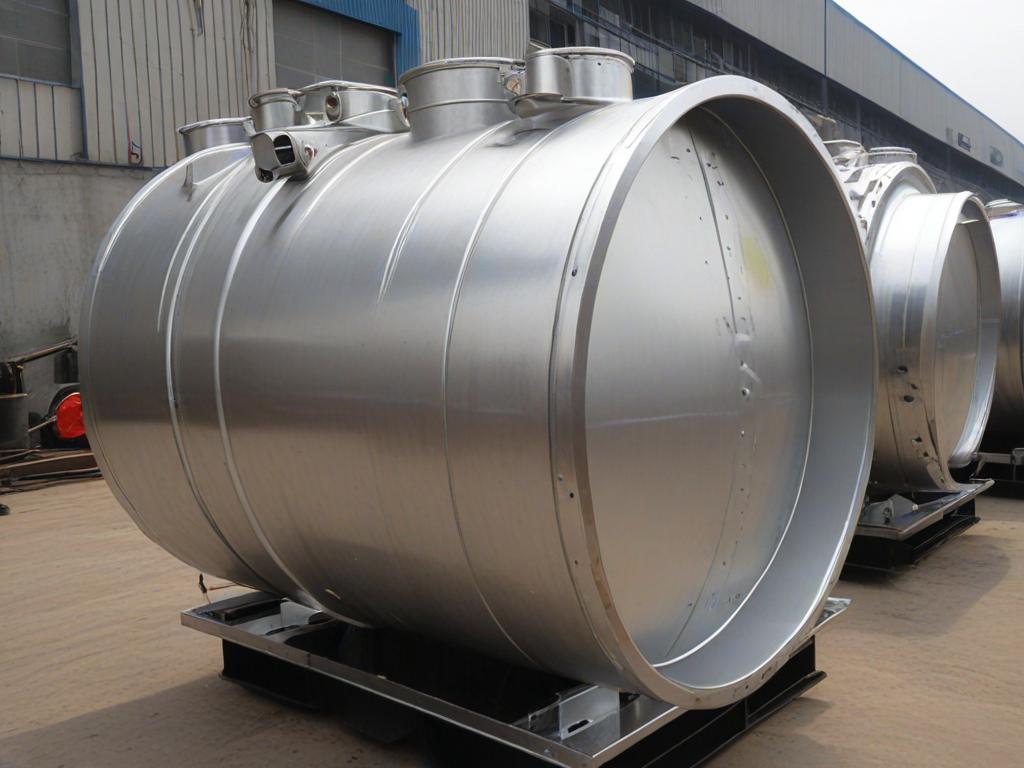
Canfred Engineering provides fuel-to-hydraulic tank conversion in Melbourne, using custom tank modifications for equipment upgrades in Bayswater, Victoria.
Adding truck-mounted hydraulic equipment may create a need for a reservoir suited to the vehicle and operating cycle. A fuel-to-hydraulic tank conversion in Melbourne may reuse an existing tank position, but its condition, capacity and configuration must first suit the proposed system. An unsuitable reservoir can affect fluid supply, heat management, mounting integrity and access for servicing.
Can an Existing Truck Fuel Tank Become a Hydraulic Reservoir?
Yes, an existing truck fuel tank may be converted when its construction, condition and dimensions are appropriate for hydraulic use. It cannot simply be drained and filled with hydraulic oil because a reservoir must accommodate changing fluid levels, release heat and help separate air and contaminants. The required capacity also depends on the pump, actuators, flow rate and operating cycle.
A used tank requires strict controls before cutting, grinding or welding. WorkSafe Victoria’s fuel-tank safety guidance warns that combustible residue and vapours can remain even after a tank appears empty or has been rinsed. Where hot work cannot be eliminated, its guidance calls for full decontamination and certification that the tank is gas-free by a competent person.
What Must Be Changed for Hydraulic Operation?
Our transport tank services include fuel-hydraulic conversions, tank modifications, repairs, brackets, straps and rubbers. A fuel-to-hydraulic tank conversion in Melbourne must be configured around the intended equipment rather than treated as a basic change of stored liquid.
- Capacity: Allow for usable oil, actuator displacement, reserve volume and thermal expansion.
- Ports: Position suction, return, drain and filler connections for the hydraulic circuit.
- Breathing and filtration: Manage air exchange and contamination as the fluid level changes.
- Internal flow: Include baffling or diffusion where required to reduce turbulence and separate returning oil from the pump supply.
- Mounting: Check brackets, straps, rubbers and attachment points against fluid weight, vehicle movement and road vibration.
- Service access: Keep filling points, level checks, filters and connections accessible for routine inspection.
- System fit: Base requirements on the equipment specifications, not a generic sizing rule. Poor capacity or port placement can contribute to pump starvation, cavitation, aeration, excess heat and shortened component life.
What Information Supports an Accurate Conversion Scope?
We need the truck model, tank material, dimensions, mounting position and clear photographs of the available space. Equipment type, pump flow, actuator requirements, hydraulic-fluid specification, expected duty cycle and preferred connection positions also help define the fabrication requirements. Our guidance on selecting a hydraulic tank for a truck explains why capacity, components and vehicle fit must be considered together for the proposed equipment upgrade, while identifying access constraints before materials, port positions and mounting details are finalised.
The tank must also be assessed as part of the vehicle rather than in isolation. Tank and fluid mass, axle loading, remaining payload, ground clearance, exhaust proximity, suspension movement and hose routing may influence the design. Depending on the vehicle and modification scope, the operator may need advice from an approved vehicle examiner or Victorian VASS signatory about applicable certification requirements.
Canfred Engineering for Fuel-to-Hydraulic Tank Conversion in Melbourne
At Canfred Engineering, we manufacture custom truck tanks and provide fuel-hydraulic conversions from our Bayswater workshop. Reviewing the tank, truck and equipment requirements helps establish whether modification or another hydraulic reservoir is the more practical option. Accurate system information creates a clearer fabrication scope and reduces avoidable changes once work is underway.
Contact us to request an assessment of your truck tank and hydraulic equipment requirements.